
New Year, New Laws: What’s Changing in Oregon on Jan. 1
Oregon rings in the new year with major law changes, including new rules on civil commitment, unemployment for striking workers, ticket sales, telemarketing, and marriage age. Several new consumer and public safety protections also take effect Jan. 1.
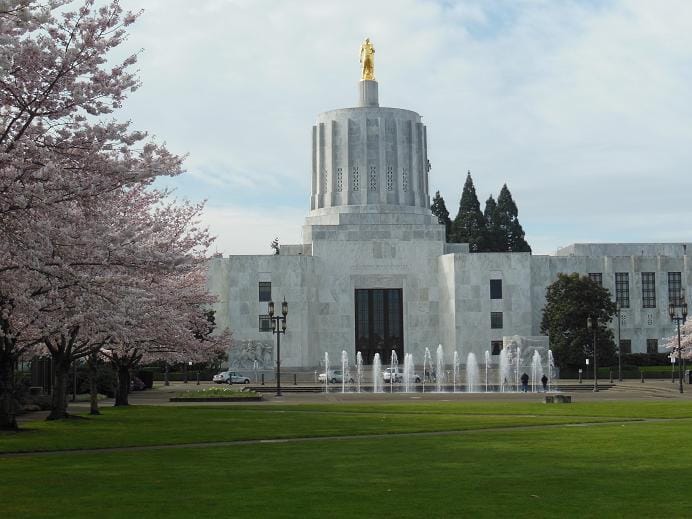
Oregon lawmakers approved hundreds of bills during the first half of 2025, and while many took effect immediately, a large number will begin impacting residents on January 1. Under state law, legislation without specific timing language typically becomes operative at the start of the following year.
The upcoming changes touch a wide range of issues; from mental health treatment and labor rights to ticket sales, telemarketing, and marriage laws. While Democrats hold supermajorities in both chambers of the Legislature, many of the measures passed with bipartisan support.
Here’s a look at some of the most notable laws taking effect at the start of the new year.
Expanded authority for civil commitment
After years of debate, Oregon lawmakers approved changes aimed at making it easier to place individuals with severe mental illness into involuntary treatment.
Mental health professionals and law enforcement have long argued that Oregon’s standards were too restrictive, preventing intervention until situations became dangerous. Advocates for civil liberties, however, have cautioned against expanding involuntary commitment.
Under House Bill 2005, judges will now operate under revised standards when determining whether someone can be civilly committed. One of the most significant changes removes the requirement that a person be at “imminent” risk of harming themselves or others. That language, and related court rulings, had been widely blamed for limiting intervention options.
Supporters say the change will allow earlier treatment before situations escalate. Critics warn that the state lacks sufficient treatment capacity to handle a potential increase in commitments.
Unemployment benefits for striking workers
One of the most debated bills of the session, Senate Bill 916, will allow workers on strike to collect unemployment benefits, a first in the nation for both public and private employees.
Labor unions backed the measure, arguing that employers have been able to outlast striking workers financially, forcing unfair contract terms. Opponents, including business groups and school officials, argued it would encourage longer and more frequent strikes, particularly in public education.
Under the new law, striking workers may receive up to 10 weeks of unemployment benefits.
New limits on nitrous oxide and aerosol dusters
Lawmakers also addressed growing concerns over inhalant abuse.
Starting Jan. 1, sellers of nitrous oxide canisters must verify that buyers are at least 18 years old. The substance has increasingly been misused for its intoxicating effects.
Additionally, Senate Bill 1032 imposes age restrictions on aerosol dusters containing 1,1-difluoroethane. Retailers must ensure buyers are 18 or older and include warning labels stating that inhaling the product can be deadly.
Oregon raises the legal marriage age
Oregon will no longer allow minors to marry, even with parental consent.
Previously, 17-year-olds could marry with approval from a parent or guardian. Advocates argued that the law enabled forced marriages and left minors with limited legal protections, especially in abusive situations.
According to the advocacy group Unchained At Last, more than 3,600 minors were married in Oregon between 2000 and 2021.
New protections for ticket buyers
Lawmakers also took aim at deceptive ticket sales practices.
House Bill 3167 strengthens restrictions on ticket-buying bots and bans the resale of tickets obtained using such software. It also prohibits websites from misleading consumers by posing as official ticket sellers for venues or events.
In addition, Senate Bill 430 requires sellers to clearly display the full price of tickets upfront, including service and convenience fees. Taxes and shipping fees are exempt from this requirement.
Penalties for AI-generated explicit images
Creating and distributing sexually explicit images using artificial intelligence is now a crime if done to harass or degrade someone.
House Bill 2299 expands Oregon’s “revenge porn” law to include AI-generated images. Violations are classified as Class A misdemeanors, with repeat offenses potentially rising to felonies.
The law also allows victims to sue senders of unwanted sexual images for up to $10,000.
Tighter restrictions on telemarketing
Beginning Jan. 1, telemarketers may only contact consumers between 8 a.m. and 8 p.m.
House Bill 3865 also limits telemarketers to no more than three calls within a 24-hour period and prohibits misrepresenting the reason for the call.
Expanded rights for renters
House Bill 3521 gives renters greater protection when paying deposits before signing a lease. If a tenant discovers serious habitability issues, such as faulty plumbing, electrical problems, or unsafe drinking water - they are entitled to a refund of their deposit.
As Oregon enters the new year, these legislative changes signal a shift in how the state approaches public safety, consumer protections, labor rights, and personal freedoms. While supporters say the new laws modernize outdated policies and close long-standing gaps, critics warn of unintended consequences still to come. For Oregonians, the impact of these changes will begin unfolding on Jan. 1.


Comments ()