
Oregon Transportation Funding Uncertain After Petition Halts New Taxes and Fees
Oregon’s transportation funding plan is on hold after a voter petition paused new gas taxes and vehicle fees. With revenue stalled until at least 2026, ODOT faces a growing funding gap as crews respond to landslides, flooding, and winter travel impacts statewide.
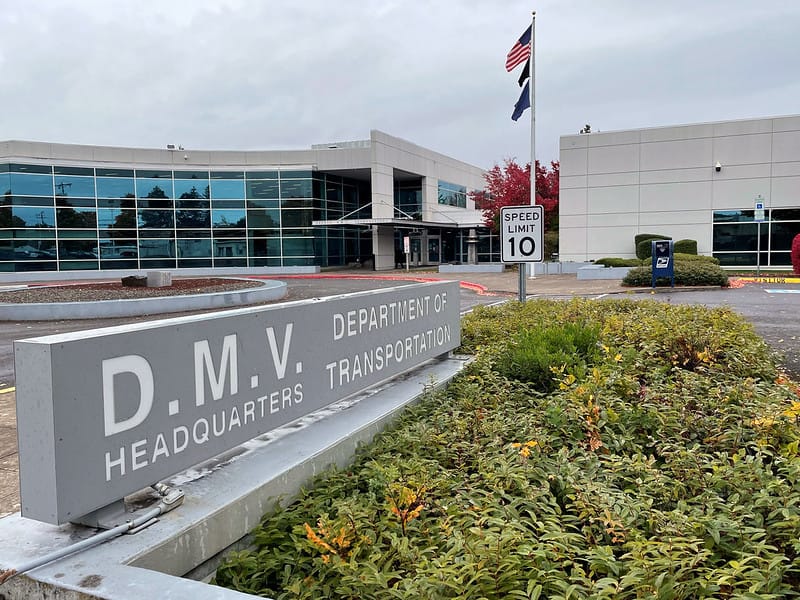
With a transportation funding referendum likely headed to Oregon voters in November 2026 and a short legislative session approaching, it remains unclear whether lawmakers can agree on a long term solution to fund road maintenance and operations.
House Bill 3991, signed into law by Gov. Tina Kotek on Nov. 7 following a special legislative session, was expected to generate about $4.8 billion for the Oregon Department of Transportation over the next decade. However, the law’s new revenue sources were paused after opponents submitted nearly 200,000 signatures to the Oregon Secretary of State seeking to refer the measure to voters.
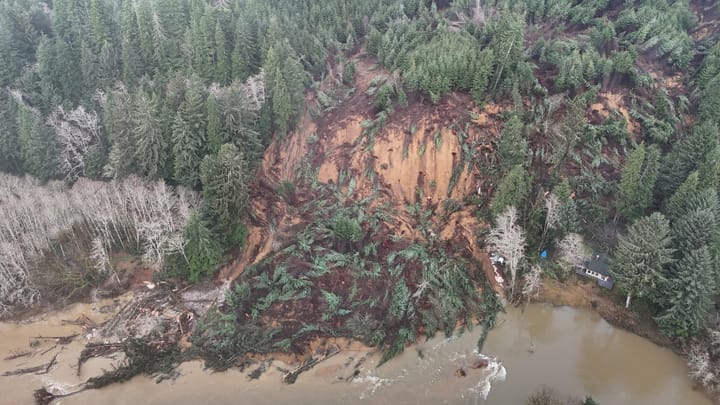
As a result, ODOT again faces a major funding gap that could lead to layoffs and reduced services. This comes as crews respond to rain triggered landslides near Highway 229 along the Oregon Coast and as mountain passes across the state remain closed or congested due to downed trees and power lines.
Gov. Kotek respects the referendum process, according to her press secretary Roxy Mayer, who said the administration is focused on avoiding immediate service reductions that would affect Oregonians. Mayer said Republicans and Democrats must work together to find another solution.
Fees and taxes remain paused
The paused measures include increases to vehicle registration and title fees, a six cent gas tax increase, and a temporary increase to the payroll tax that funds public transit. The payroll tax was set to double from 0.1 percent to 0.2 percent of a worker’s paycheck.
Unless the state elections division determines there are not enough valid signatures by Jan. 29, the fee and tax increases will remain on hold until a statewide vote in November 2026.
During the pause, an average Oregonian earning $68,000 annually will continue paying about $5.60 per month in the payroll transit tax rather than $11.20. Drivers will keep paying 40 cents per gallon in gas tax instead of 46 cents.
Passenger vehicle title fees will remain at $77 rather than increasing to $216. Two year registration fees will stay at $86 for standard passenger vehicles, $88 for motorcycles, and $126 for light and utility trailers. Drivers will continue paying additional surcharges based on fuel efficiency, bringing total registration costs for most passenger cars to $126 or $136 every two years.
The paused fees and taxes were expected to generate $791 million in the 2025 to 2027 budget cycle, followed by $1.1 billion in 2027 to 2029 and $1.2 billion in 2029 to 2031.
No immediate service cuts announced
ODOT spokesperson Katherine Benenati said no layoffs or service reductions have been finalized. Any potential layoffs would not occur until after the legislative session ends in March. The agency has continued hiring winter seasonal staff using existing funds, vacancy savings, and voluntary departures to maintain services in the short term.
Republican lawmakers involved in the referral effort argue the funding gap could be addressed without raising taxes. Rep. Ed Diehl of Scio said transportation funding priorities should be reconsidered, citing spending on electric vehicle infrastructure, social equity programs, and climate initiatives.
However, ODOT officials said most transportation funding is legally restricted to specific uses, meaning reallocating funds would require changes to state law or the constitution.
Some Republican lawmakers have asked the Legislature’s Joint Emergency Board to provide emergency funding in response to recent flooding. The board can allocate funds when the full Legislature is not in session.
Democratic lawmakers criticized the request, saying emergency funding is not a long term solution. Rep. Susan McLain of Forest Grove said lawmakers have already reduced transportation spending over multiple budget cycles and described the paused law as a scaled down compromise.
Democratic leaders warned that without additional funding, ODOT jobs and services could be at risk. Senate President Rob Wagner and House Speaker Julie Fahey said they plan to continue working with the governor and transportation officials during the upcoming legislative session to maintain safety and essential services statewide.


Comments ()